
Over the past decade, logo design has gone through a major shift. After years of brands stripping everything back to clean, minimal marks, there is now a noticeable swing in the opposite direction. Fashion houses, retail giants, and consumer brands are reintroducing character, heritage, and richer visual details into their identities.
This is not just a passing design phase. It reflects how brands are responding to sameness in the market and a growing desire for personality, nostalgia, and distinction. For businesses investing in custom clothing, this shift has real implications. From embroidery detail to print techniques, the return of more expressive branding is changing how garments are designed, produced, and worn.
In this article, we break down why brands are moving beyond minimalism and what that means for your next branded clothing order.
Why are major brands moving away from minimal logos?
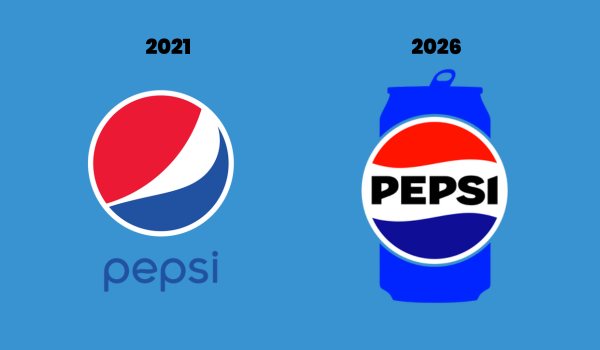
After years of sans serif wordmarks and flat design, brands are starting to feel too similar. That has triggered a move back towards more distinctive identities.
Standing out in a sea of sameness
Minimal logos helped brands look modern and digital friendly, but they also made many of them look alike. Clean fonts and simple marks blurred together, especially in fashion and luxury. Reintroducing unique typography, symbols, and heritage elements helps brands regain individuality.
Reconnecting with heritage and storytelling
Many businesses and brands are revisiting their archives and bringing back earlier logo styles or influences. Retro inspired marks carry a sense of authenticity and history that minimalist logos often lack. This creates a stronger emotional connection with customers.
Adding personality in a crowded digital world
While minimal logos perform well for a slick uniform, they can lack character if not done correctly. Businesses are now balancing usability with personality by adding subtle detail, custom typefaces, and richer visual systems that still work across digital platforms.
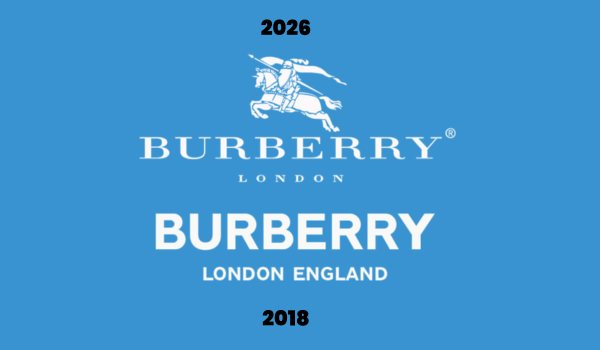
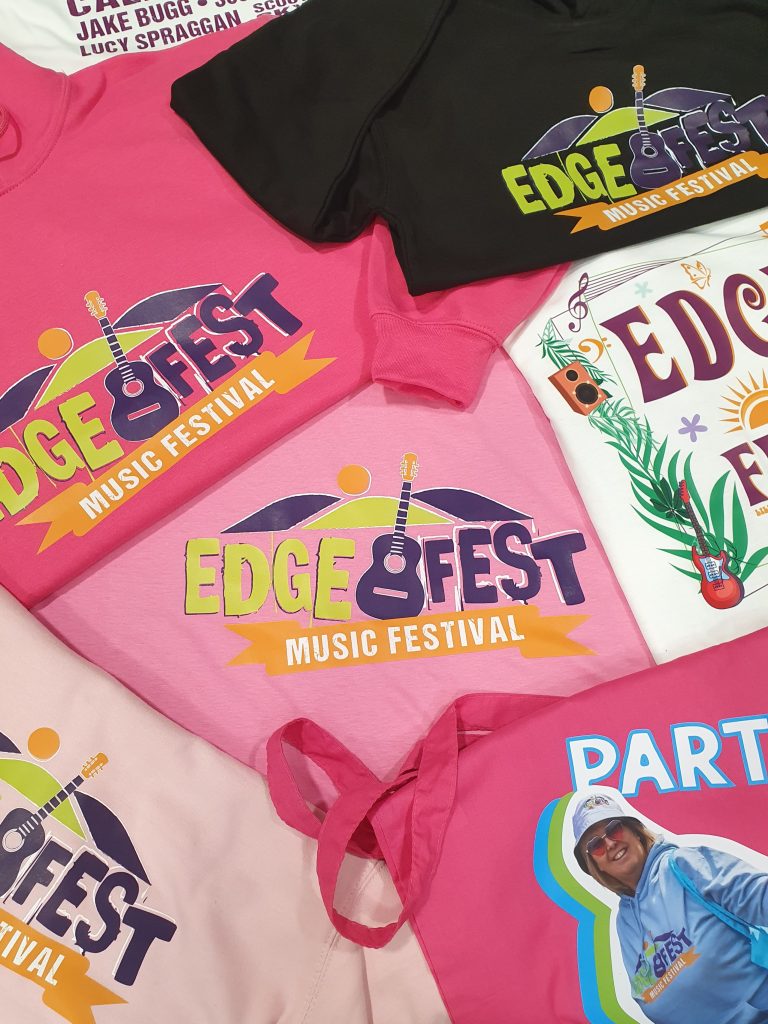
Example: Several fashion and lifestyle brands have brought back serif fonts, emblems, and vintage inspired logos to differentiate themselves and tap into nostalgia while keeping a modern execution. Even though it is far from the simplicity they were looking for, a maximalist logo can also look good on simple uniform, like black hoodies, or white t-shirts.
What does this mean for custom clothing?
This shift is starting to show up in custom branded clothing. Businesses that require customised workwear are no longer only asking for small, ultra simple logos. There is growing interest in more expressive designs that feel premium and distinctive.
Are more detailed logos harder to use on clothing?
Not necessarily. While highly intricate designs can still present challenges, modern production methods allow for greater detail than ever before. The key is balancing complexity with clarity.
Is statement branding making a comeback?
Yes. Alongside subtle chest logos, there is renewed demand for bolder prints, larger back graphics, and designs that feel more like lifestyle pieces rather than purely functional uniforms.
How do evolving logos impact embroidery, DTF and DTG printing?
The return of richer branding does change how designs are prepared for production, but it also opens up new creative possibilities.
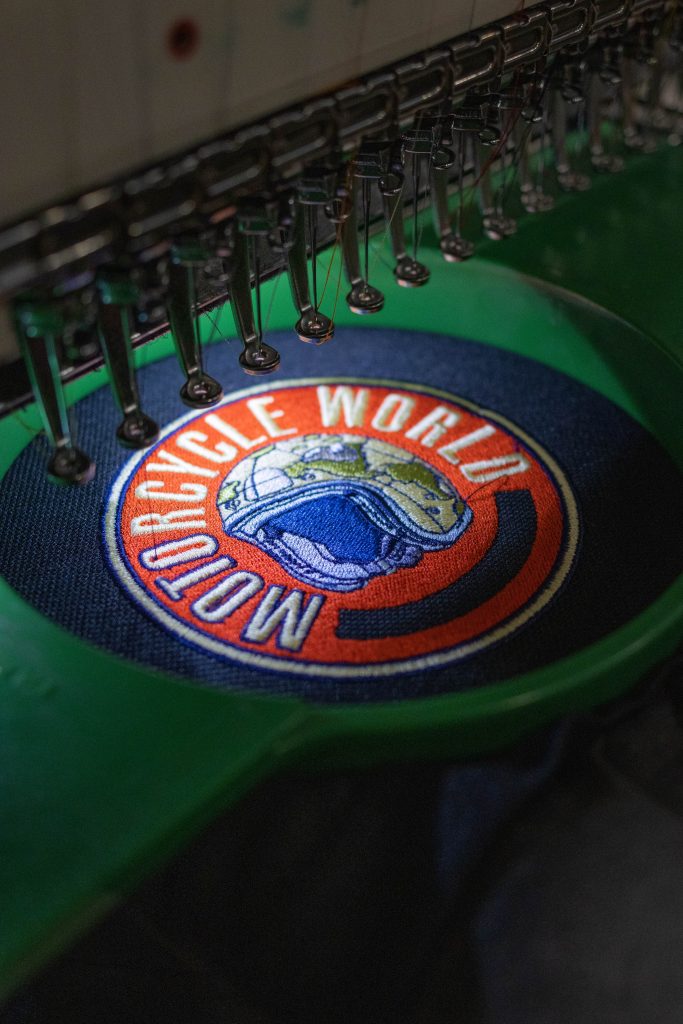
Embroidery still performs best with clean shapes, but it can now accommodate more texture and variation when digitised correctly. Thoughtful adjustments ensure more detailed logos retain their quality and durability.
Various printing methods we offer, like DTF printing, is well suited to more complex designs, handling multiple colours and finer elements with greater accuracy. This makes it ideal for logos that include gradients, outlines, or layered details.
DTG printing continues to improve in handling more expressive artwork. While simpler graphics still produce the sharpest results, modern DTG processes can reproduce more nuanced designs with good consistency when prepared correctly.
Overall, while minimal logos remain easy to produce, today’s technology means brands do not have to sacrifice character for quality.
Why evolving logo trends still benefit branded clothing
The move beyond minimalism is ultimately about balance. Brands want to stand out again, tell richer stories, and create stronger visual identities without losing versatility.
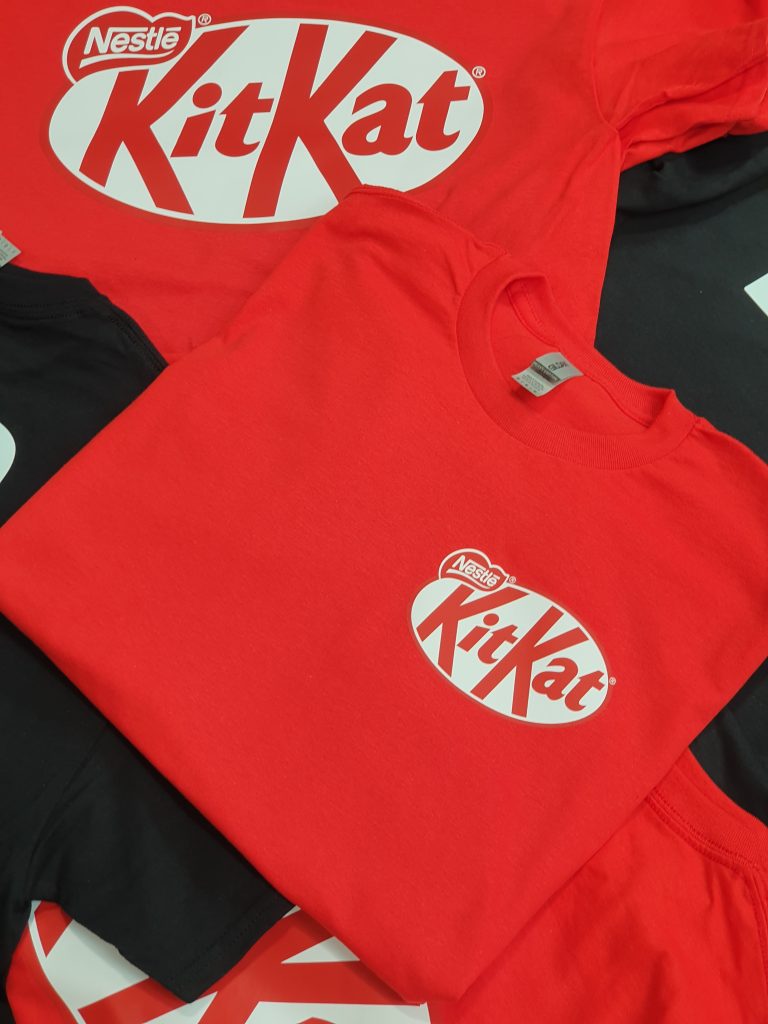
For custom clothing, this creates an opportunity rather than a limitation. Whether you choose a clean logo or a more expressive design, the focus should be on clarity, adaptability, and how the branding translates onto fabric.
Well considered logos, even with added detail, can elevate garments, making them feel more premium and more wearable as part of everyday style.
Smart businesses choose Clothes2order.

