

Businesses ordering branded uniforms often ask the same question: is embroidery worth the extra cost compared with printing?
The good news is that the price difference is often much smaller than many people expect. In reality, the decision shouldn’t come down to cost alone. The best branding method depends on your logo, the type of garment you’re decorating, and the finish you’re trying to achieve.
Both embroidery and print have their strengths. While embroidery is known for its durable, premium appearance, some logos and designs can actually work better when printed.
In this guide, we’ll compare embroidery and printing, explain where each method excels, and help you choose the most suitable option for your workwear or uniforms.
What Is Embroidery on Workwear?
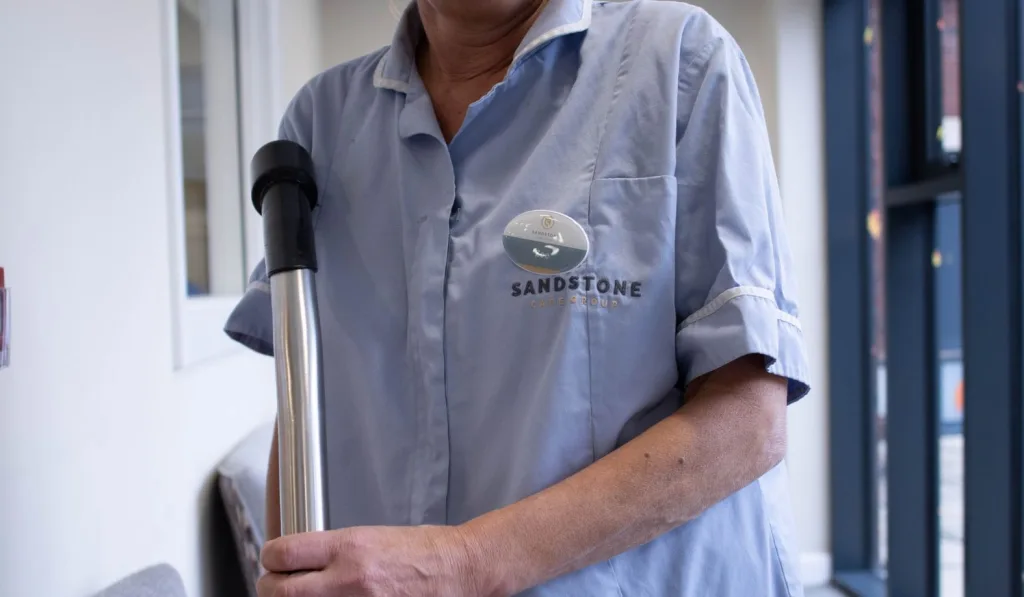
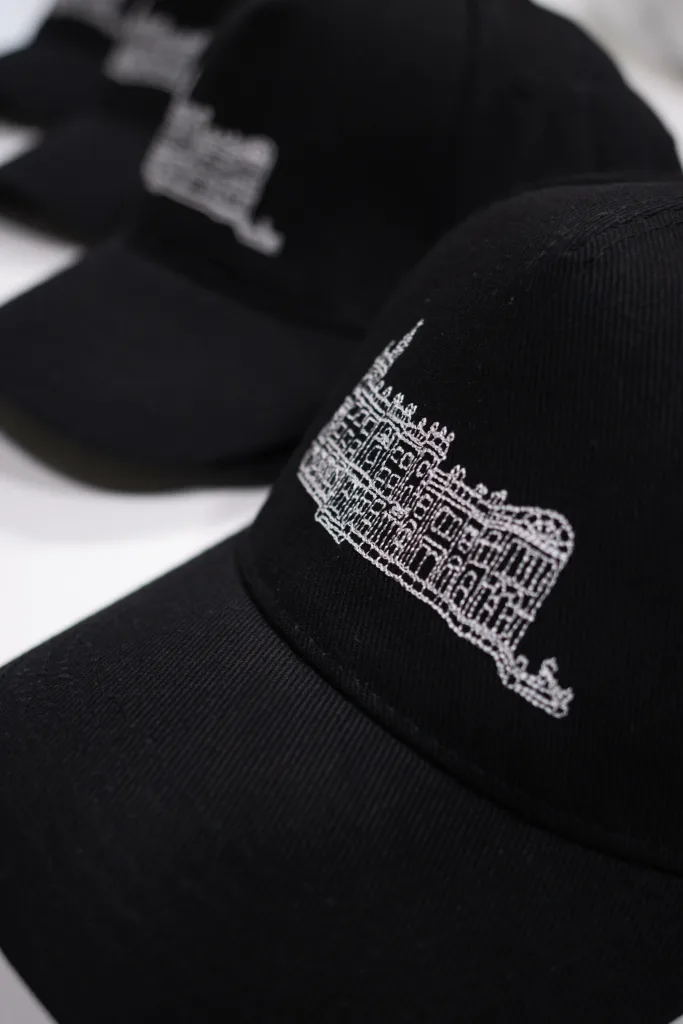
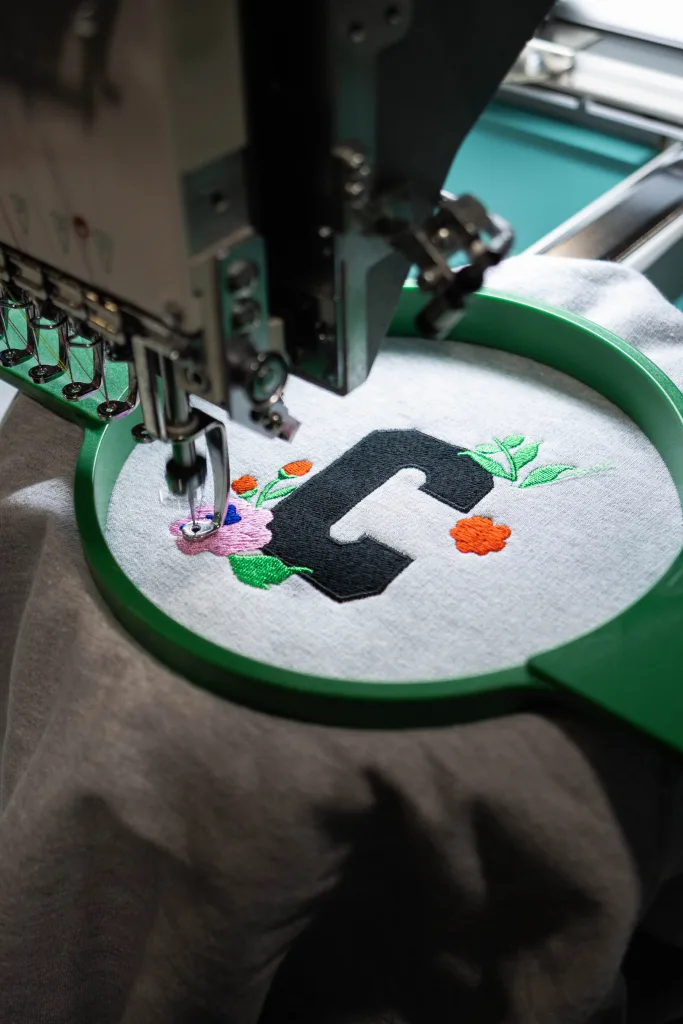
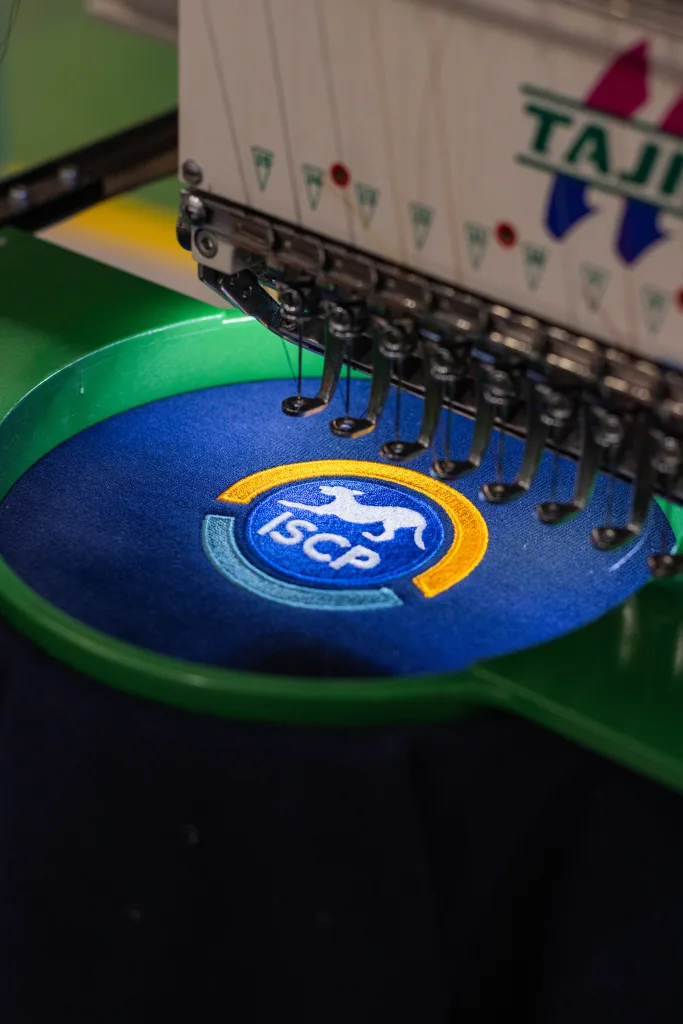
Embroidery is a decoration method where logos, text, or designs are stitched directly into a garment using specialist embroidery machines and durable coloured threads.
Unlike printed branding, which sits on top of the fabric, embroidery becomes part of the garment itself.
Commonly embroidered products include:
- Polo shirts
- Hoodies
- Sweatshirts
- Fleeces
- Softshell jackets
- Corporate shirts
- Hi-vis clothing
- Caps and hats
Because the design is stitched into the fabric, embroidery creates a textured and professional finish that many businesses associate with quality and longevity.
Why Does Embroidery Cost More Than Printing?
Many businesses compare embroidery and printing and immediately notice that embroidery often costs slightly more.
This higher cost comes from several factors:
- Digitising the artwork into an embroidery file
- High stitch count requirements
- Machine production time
- Thread usage
- Additional set-up processes
A logo with 8,000 stitches naturally takes longer to produce than a simple one colour print.
However, focusing solely on the purchase price can provide an incomplete picture of overall value.
A common misconception is that embroidery is significantly more expensive than print. In reality, the price difference is often much smaller than expected. As the example below shows, both options remain highly affordable, especially on larger orders. That’s why the decision should usually come down to what works best for your logo, garment and desired finish, rather than cost alone.
Example: Gildan Men’s RIng Spun Softstyle T-shirt Pricing
| Option | Garment Cost (Per T Shirt if you order 10-34) | Branding Cost (Per T Shirt if you order 10-34) | One Off Setup Charge | Total Cost Per T Shirt* |
|---|---|---|---|---|
| Blank T Shirt | £5.90 | N/A | N/A | £5.90 |
| Printed T Shirt | £5.90 | £4.75 | £2.99 | £10.65 |
| Embroidered T Shirt | £5.90 | £5.49 | £4.99 | £11.39 |
*Price is per t-shirt, supposing you order between 10-34 of them. Costs correct as of 12/11/2026
Is Embroidery More Durable Than Printing?
In many cases, yes.
One of the biggest reasons businesses choose embroidered workwear is durability.
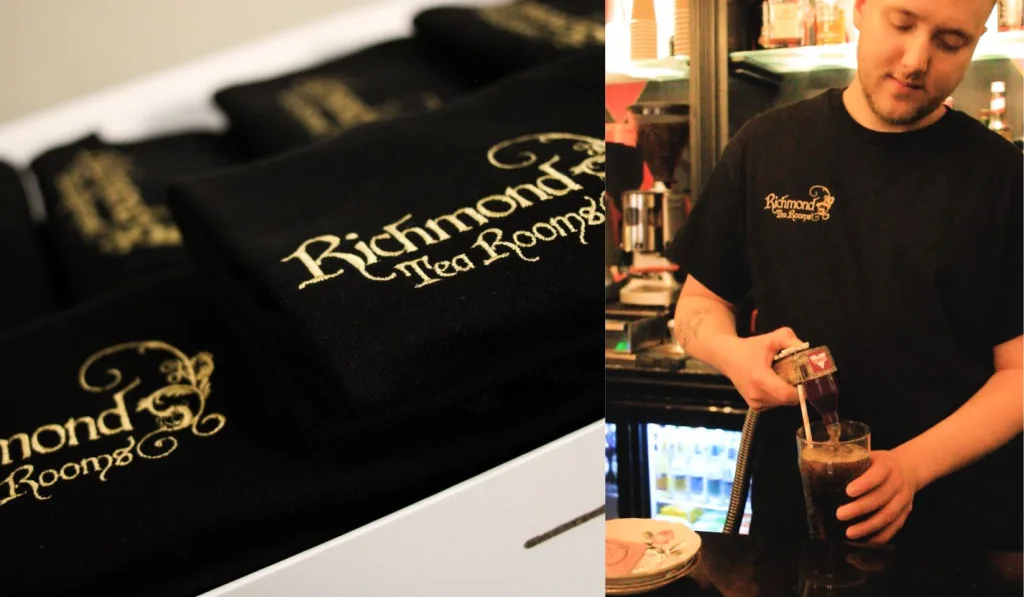
A professionally embroidered logo is stitched directly into the garment using strong polyester threads designed to withstand repeated washing and daily wear.
Benefits include:
- Resistance to cracking
- Resistance to peeling
- Resistance to fading
- Excellent wash durability
- Long term appearance retention
For employees who wear uniforms every day, durability becomes particularly important.
Tradespeople, warehouse operatives, delivery drivers, maintenance engineers, and construction workers often expose garments to conditions that can place branding under constant stress. In these environments, embroidery typically performs exceptionally
Does Embroidery Make Uniforms Look More Professional?
For many businesses, an embroidered logo looks better as this is where it really stands out. However, a printed logo can also look professional.
A stitched logo introduces texture, depth, and detail that often creates a premium visual finish.
Think about the uniforms worn by:
- Hotels
- Airlines
- Premium retailers
- Sports organisations
- Professional service firms
- Automotive dealerships
Many choose embroidery because it helps reinforce a strong brand image.
When customers interact with your staff, uniforms become an extension of your brand. A clean embroidered logo can communicate professionalism, consistency, and attention to detail before a conversation even begins.
Is Embroidery Better for Certain Industries?
Absolutely.
Some industries tend to benefit more from embroidered branding than others.
Construction and Trade Businesses
Builders, electricians, plumbers, roofers, and engineers often require durable uniforms that withstand demanding environments.
Embroidery provides a robust branding solution suitable for regular use.
Logistics and Transport
Drivers, warehouse teams, and distribution staff typically wear uniforms daily.
Durable branding can help maintain a consistent appearance across large workforces.
Hospitality and Leisure
Hotels, restaurants, golf clubs, and event venues often favour embroidered garments because they create a more premium appearance.
Corporate Businesses
Many offices prefer embroidered polo shirts, shirts, fleeces, and jackets because they offer a smart and professional finish.
Are There Situations Where Printing Is a Better Choice?
Embroidery isn’t automatically the best option for every project.
Some applications are better suited to print.
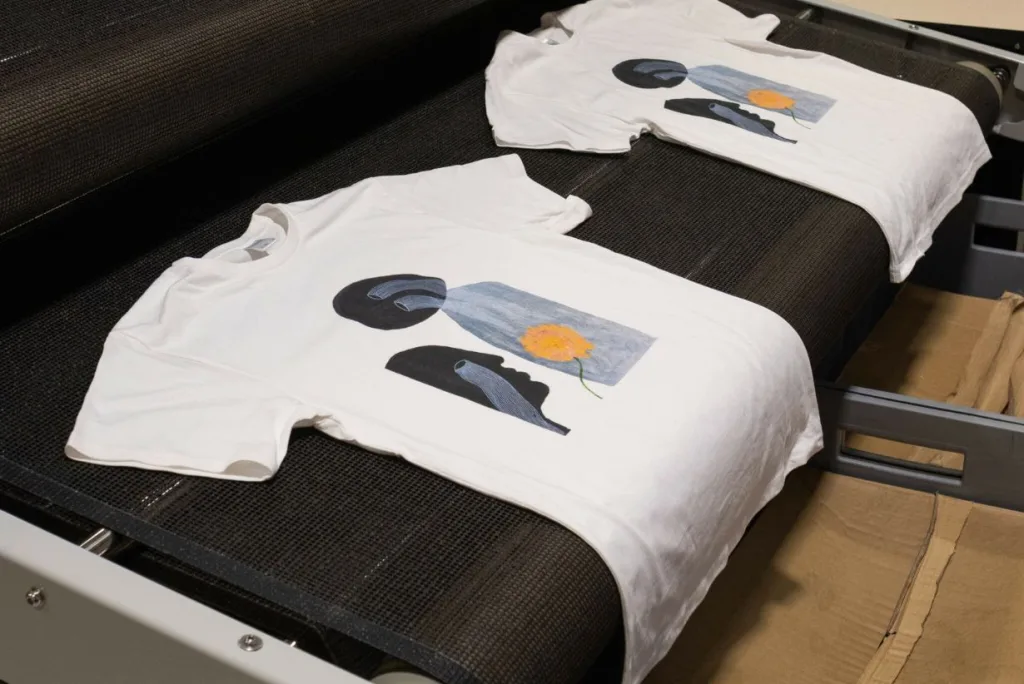
Printing can be the preferred solution for:
- Large back designs
- Complex artwork
- Gradient colours
- Photographic images
- Event merchandise
- Promotional campaigns
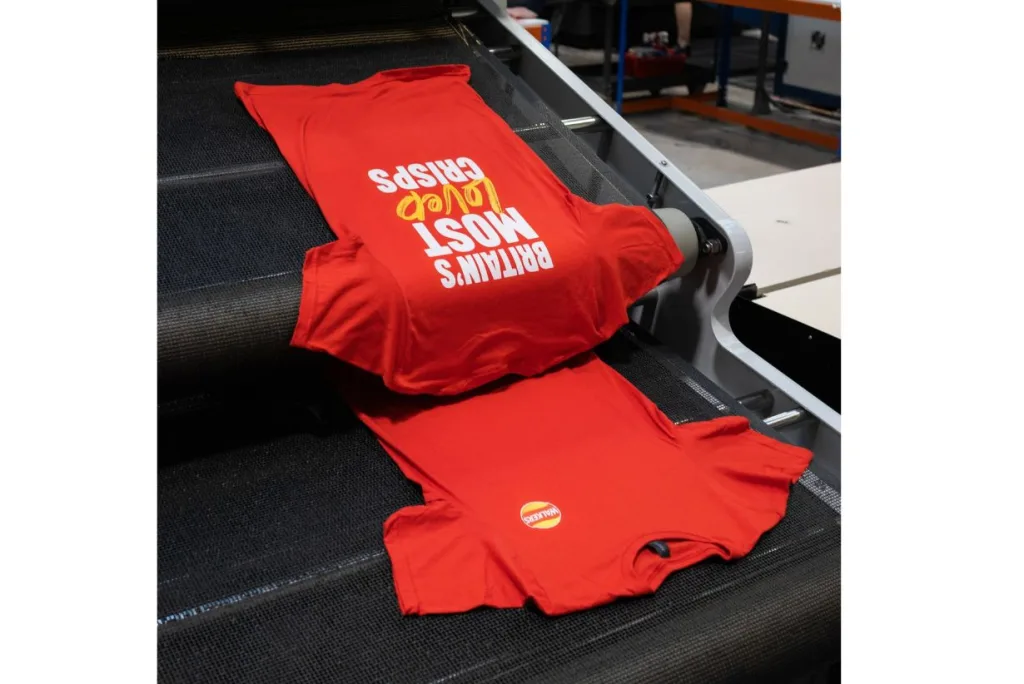
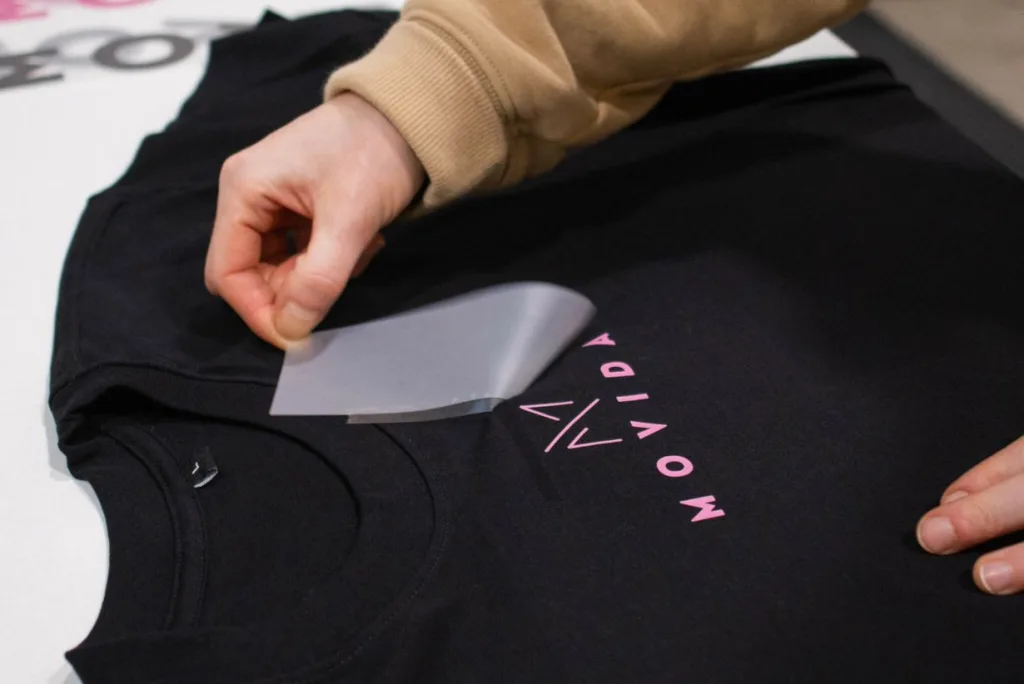
Many businesses actually combine both methods.
For example:
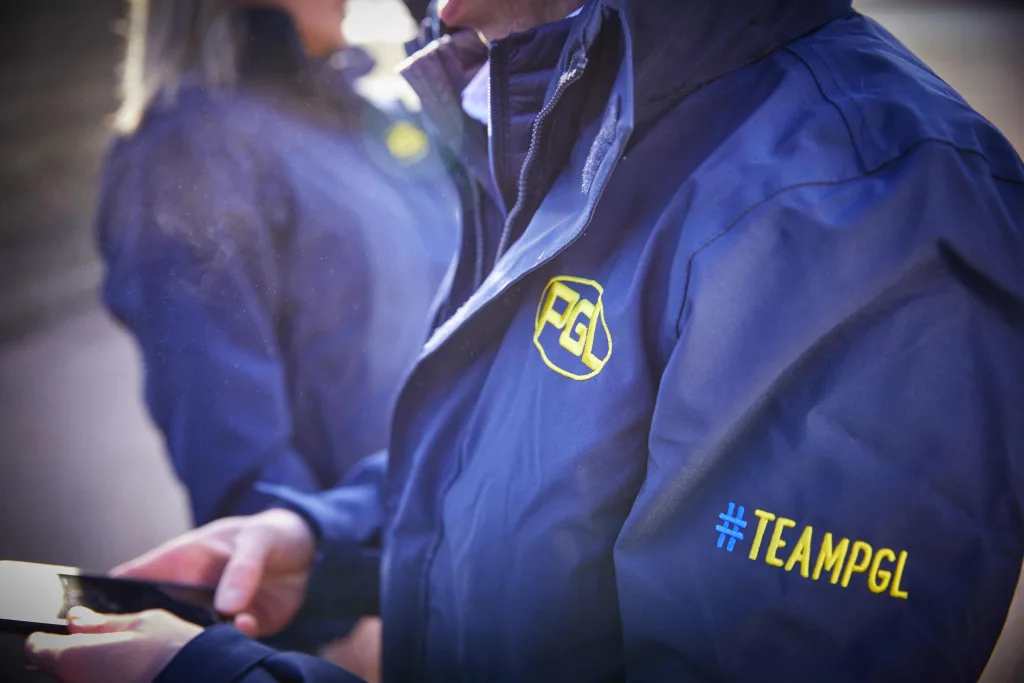
- Embroidered logo on the left chest
- Printed design on the back
This approach can balance durability with creative flexibility.
What Are the Most Common Misconceptions About Embroidery?
“Embroidery Is Only for Large Companies”
This isn’t true.
Small businesses regularly choose embroidery because it helps create a professional appearance from day one.
“Embroidery Is Too Expensive”
While embroidery often costs more initially, many businesses find the increased durability and premium finish justify the additional investment.
“Embroidery Only Works on Thick Garments”
Modern embroidery can be applied to a wide range of products, including polo shirts, shirts, sweatshirts, fleeces, jackets, and caps.
“Printed Logos Always Look Better”
This depends entirely on the design.
Some logos suit printing better. Others appear more professional and impactful when embroidered.
The best solution depends on the logo itself, the garment type, and the intended use.
How Can You Decide if Embroidery Is Worth It?
Consider the following questions:
How Often Will the Garment Be Worn?
Daily uniforms often benefit from embroidery because of its durability.
Is Professional Appearance Important?
Customer facing teams frequently choose embroidery because it delivers a more premium finish.
How Long Do You Expect the Uniforms to Last?
The longer a garment remains in use, the more opportunity there is to benefit from embroidery’s longevity.
What Type of Logo Do You Have?
Simple logos generally work exceptionally well in embroidery.
Highly detailed artwork may be more suitable for print.
Why Do Businesses Choose Embroidery From Clothes2order?
Choosing the right branding method involves more than simply uploading a logo.
The best results come from understanding how different designs interact with different garments.
At Clothes2order, our team helps businesses select branding methods based on their logo, garment choice, budget, and intended use. Whether you’re ordering a handful of embroidered polo shirts or hundreds of branded uniforms for a nationwide workforce, the goal is the same: creating clothing that represents your business professionally and performs well throughout its lifespan.
Businesses across construction, logistics, hospitality, education, retail, and corporate sectors continue to choose embroidered workwear because of its durability, appearance, and long term value.
Final Verdict, Is Embroidery Worth the Extra Cost?
For most businesses investing in branded workwear or uniforms, embroidery is often worth the additional spend.
Although the upfront cost is typically higher than print, embroidery offers advantages that can deliver value long after the initial purchase:
- Outstanding durability
- Professional appearance
- Premium brand presentation
- Excellent wash performance
- Long term cost effectiveness
If your uniforms are worn regularly and represent your business in front of customers, clients, or the public, embroidery is often one of the smartest investments you can make in your brand.
Looking for professionally embroidered workwear? Explore our range of embroidered polo shirts, hoodies, fleeces, jackets and uniforms to find the right solution for your business.
Frequently Asked Questions About Embroidered Workwear
Is embroidery better than printing for workwear?
Embroidery is generally better for workwear that is worn regularly because it offers excellent durability, a professional appearance and strong resistance to fading, peeling and cracking. Printing can be a better option for large or highly detailed designs.
How long does embroidered workwear last?
Professionally embroidered workwear can last for many years when cared for correctly. The stitched threads are designed to withstand repeated washing and everyday workplace use.
Is embroidery worth the extra cost?
For businesses purchasing uniforms that employees wear daily, embroidery is often worth the extra cost because it typically lasts longer and maintains a professional appearance over time.
What garments are best for embroidery?
Popular embroidered garments include polo shirts, fleeces, hoodies, sweatshirts, softshell jackets, workwear and corporate shirts.
Does embroidery look more professional than printing?
Many businesses believe embroidery creates a more premium and professional appearance because the logo is stitched directly into the garment rather than sitting on the surface.
What industries commonly use embroidered uniforms?
Construction, hospitality, logistics, engineering, healthcare, retail, education and corporate businesses commonly choose embroidered uniforms because of their durability and professional appearance.

